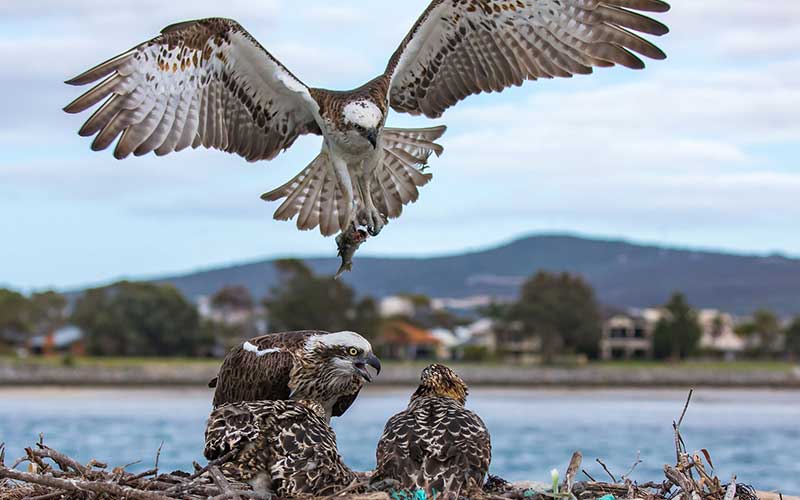
Osprey Nesting, Eyre Peninsula Coast
Do not approach active nest sites - disturbance can cause nest abandonment. Observe from a respectful distance using binoculars. Many nests are on private land - do not trespass.
Explore seasonal nature experiences with confidence ratings to help you plan the perfect adventure
Get seasonal nature events — wildflower blooms, whale migrations, dark-sky nights — in your inbox before they peak.
No spam. Unsubscribe anytime.
Showing 30 of 30 events

Do not approach active nest sites - disturbance can cause nest abandonment. Observe from a respectful distance using binoculars. Many nests are on private land - do not trespass.

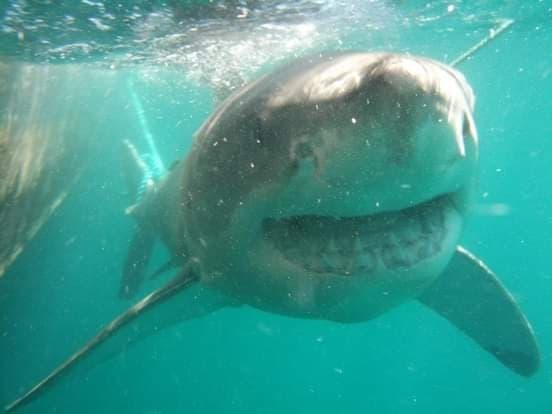
Great white sharks are present year-round at the Neptune Islands but encounter probability peaks in the cooler months when Australian fur seal activity is highest. Individual trip success varies - some days produce multiple long encounters, others are minimal. Tour operators will advise on recent conditions.

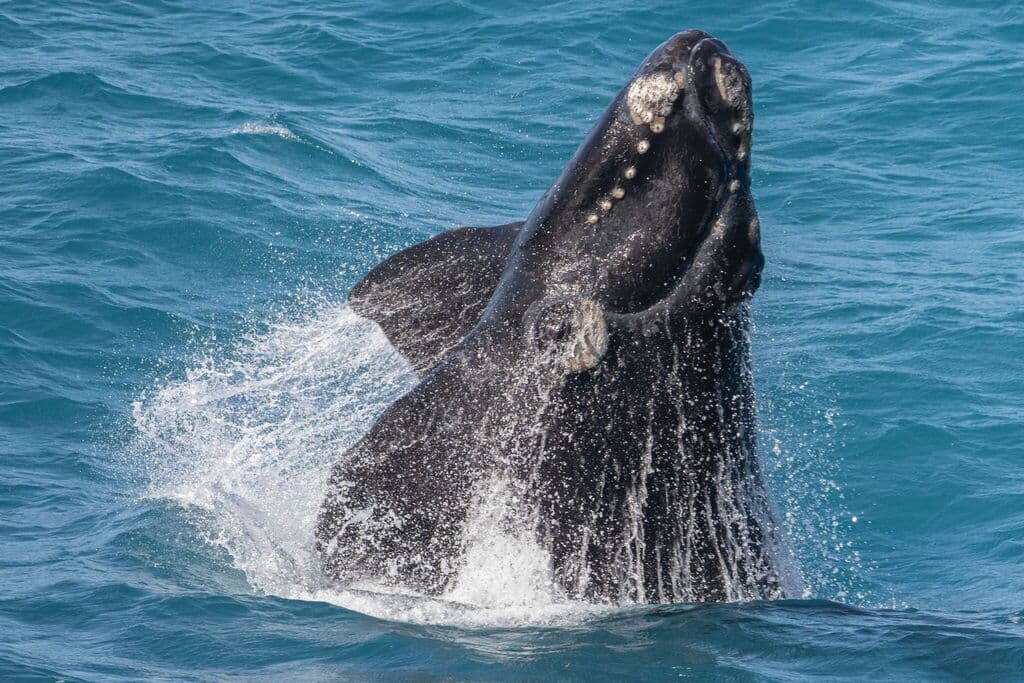
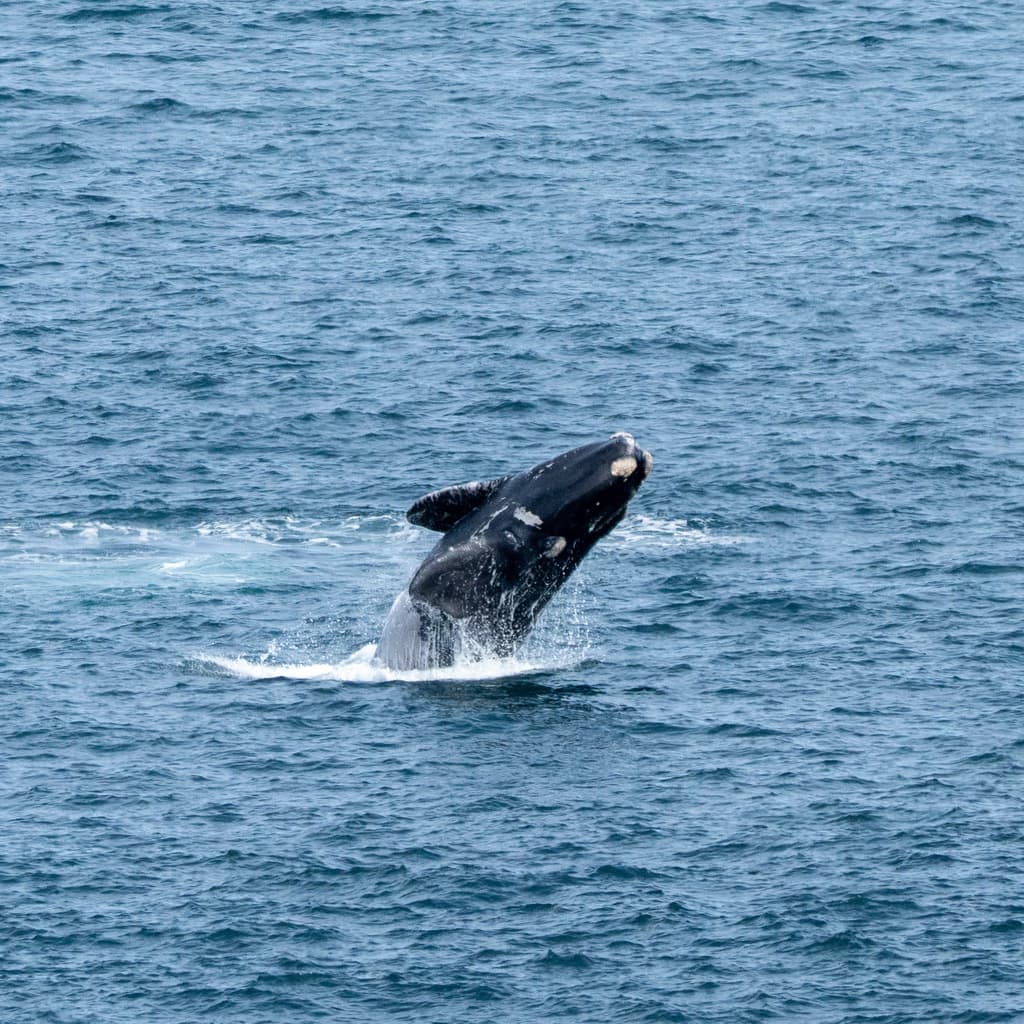
Numbers peak July–September. Head of Bight Whale Watching Centre is open seasonally. Numbers vary year to year. Some seasons bring 100+ whales, others fewer. Cows and calves tend to concentrate in the protected bights.

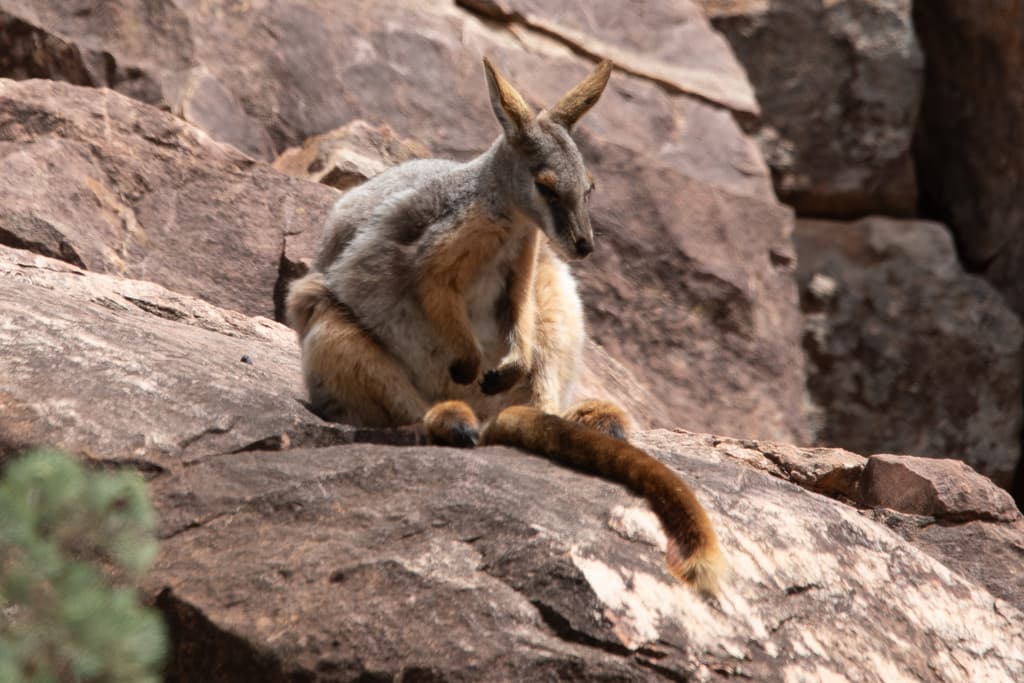
Animals are present year-round but summer heat drives them into deep shade during the day. Cool months produce the most visible activity at dawn and dusk. Brachina Gorge and Aroona Valley in the northern Flinders are the most reliable sites.

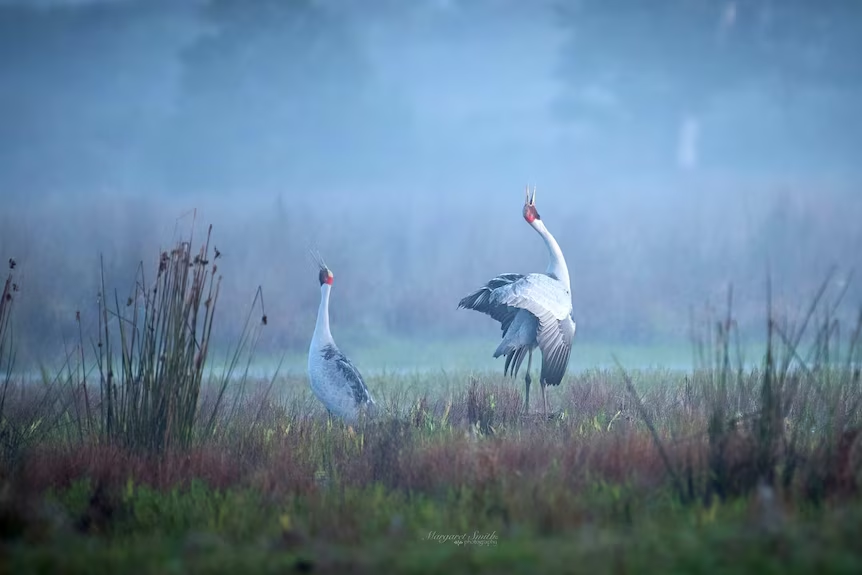
Numbers vary with seasonal wetland conditions. Bool Lagoon's water levels fluctuate — check recent reports from SA National Parks before travelling. In good water years, hundreds of birds may be present; in dry years, numbers drop significantly.

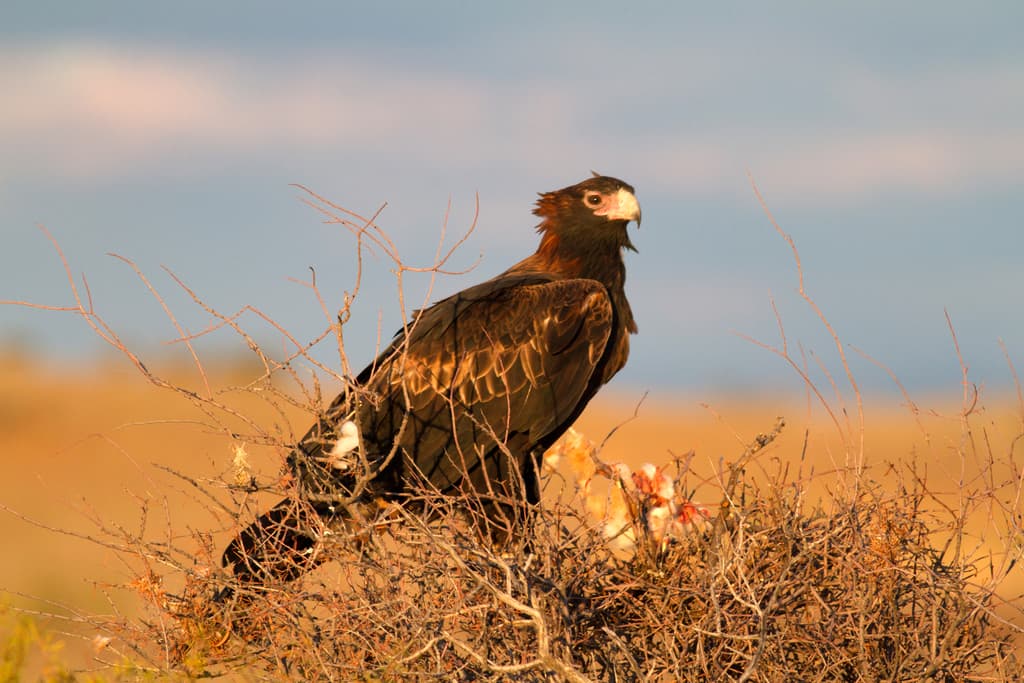
Use binoculars - distant observation is more productive than close approach, which causes birds to move off. Eagle nest sites are sensitive and should not be approached, especially during breeding (July–December).

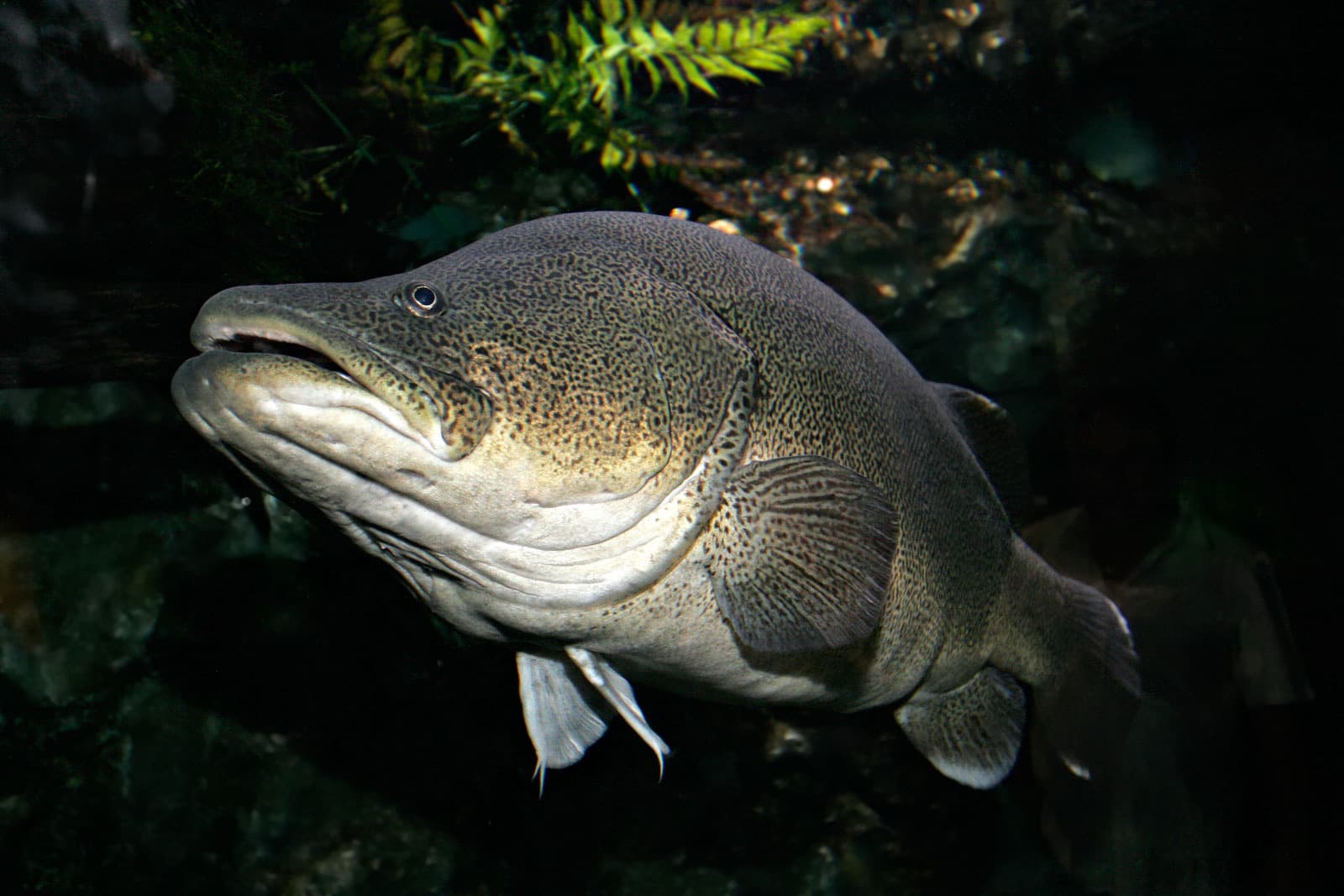
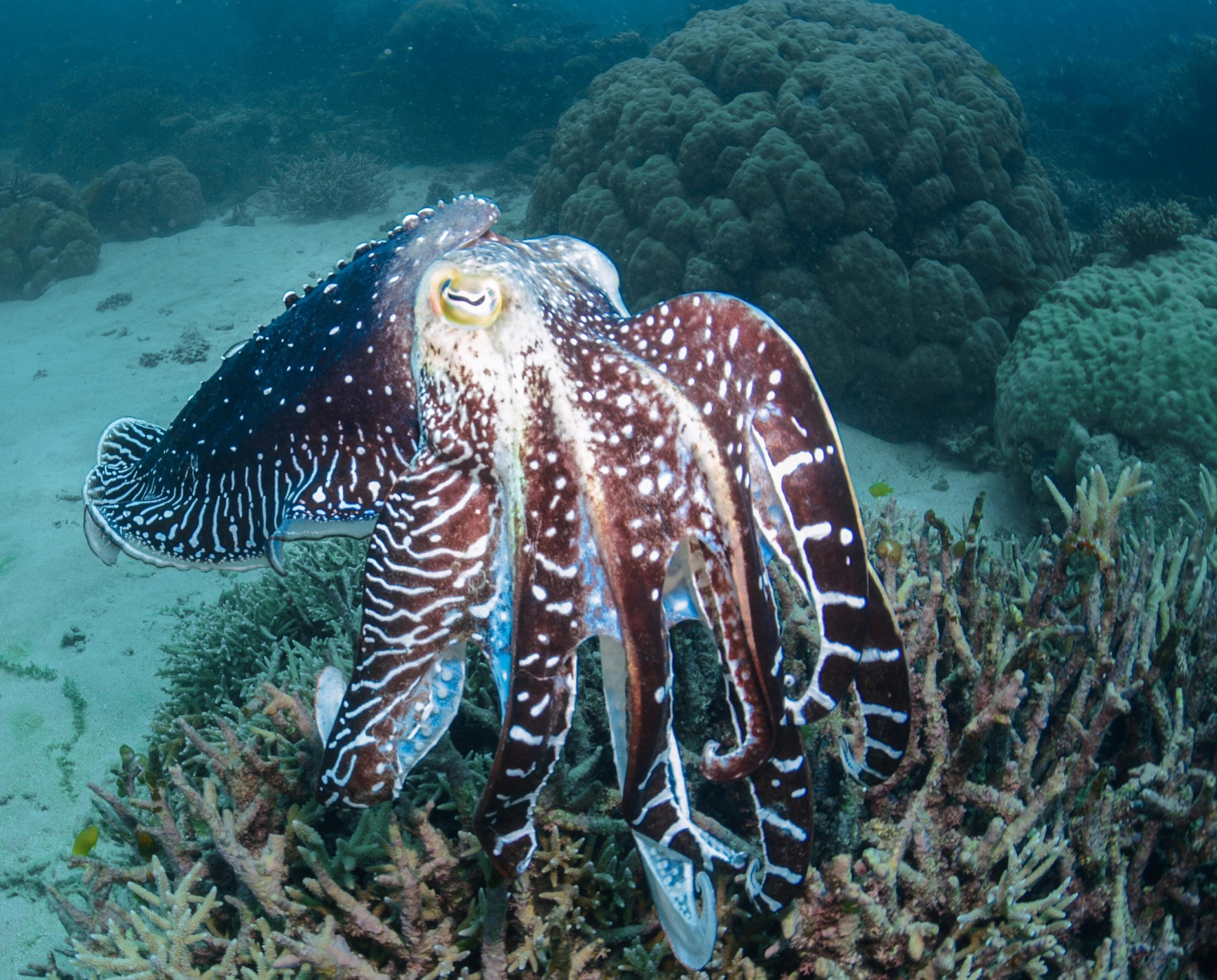
Timing varies with water temperature. Colder winters may delay the aggregation by 2–3 weeks. Peak numbers typically occur in mid-June to early July. Aggregation disperses rapidly as water warms.

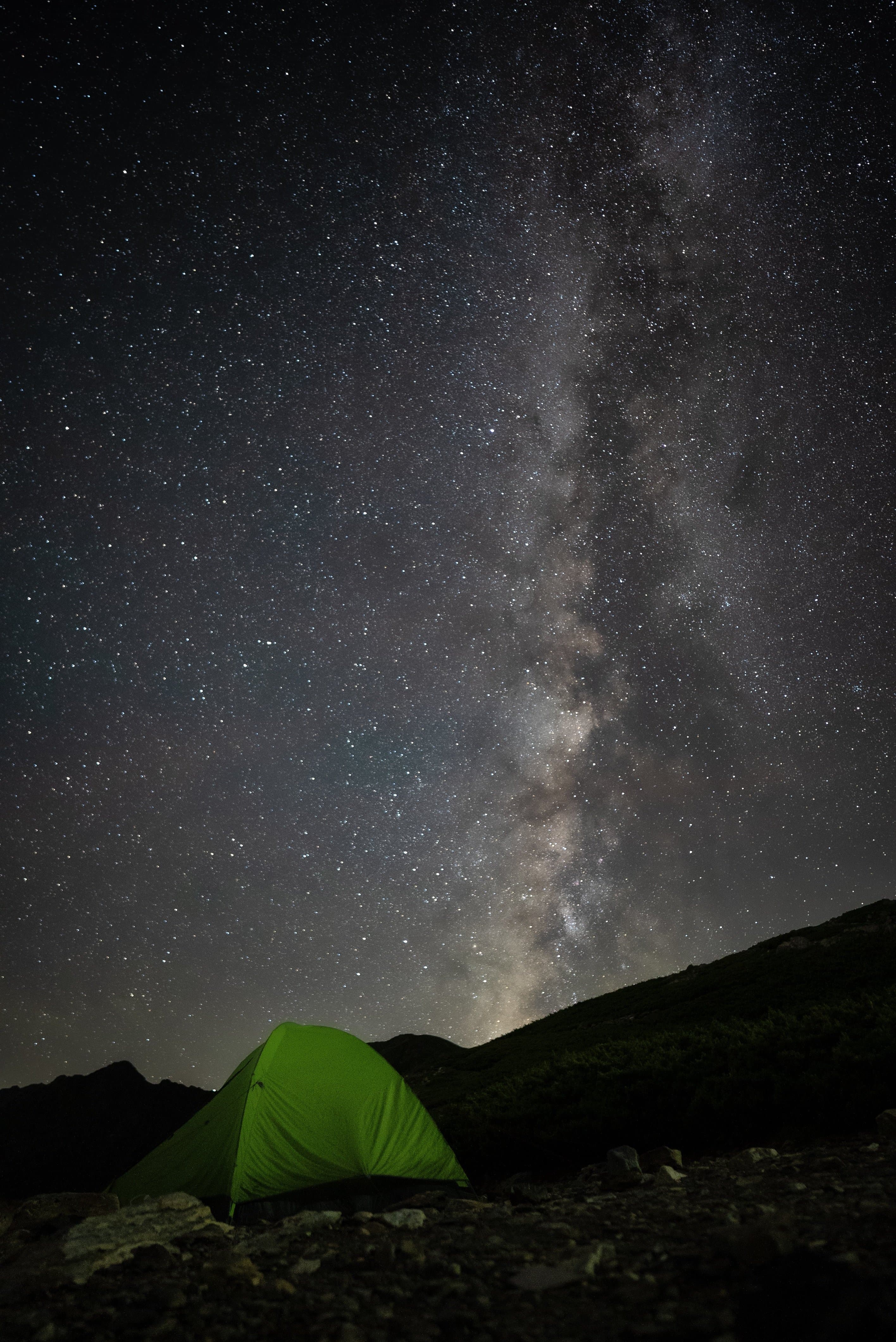
Cloud cover and moon phase are the primary variables. Wilpena Pound and the Arkaba Station area are among the darkest accessible locations in SA. The Ikara-Flinders Ranges NP area has very low light pollution year-round.

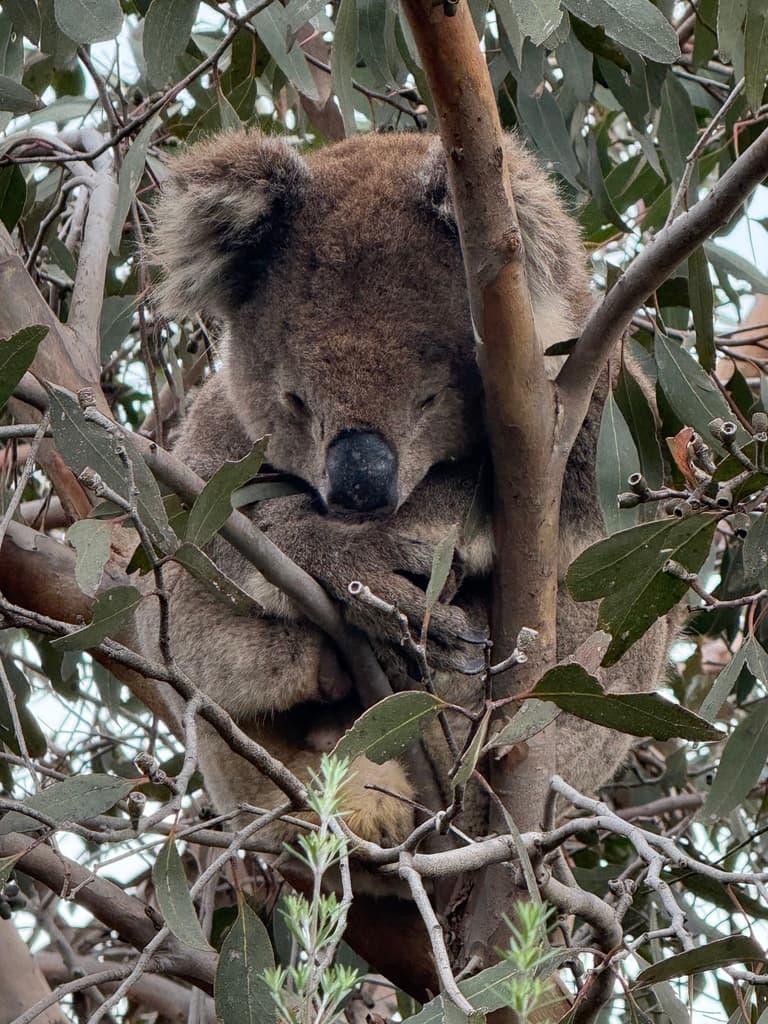
Koalas are present year-round but are most active and audible during the August–November breeding season when males bellow loudly. Hanson Bay Wildlife Sanctuary and Flinders Chase NP road verges are the most reliable locations. Animals are often visible in roadside manna gums at dawn and dusk.

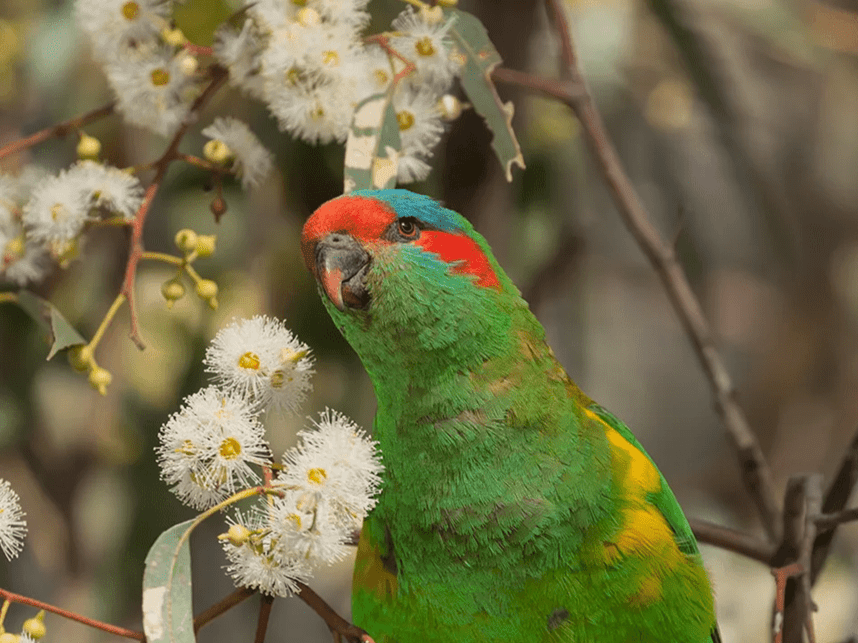
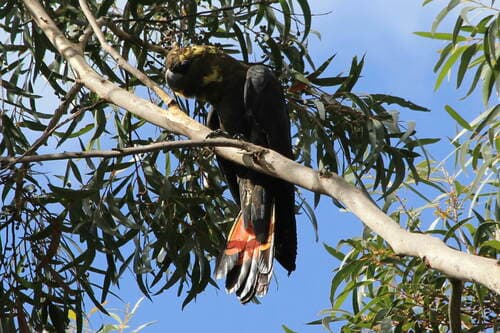
Stay on tracks and avoid flushing birds from feeding trees. The population is critically small — any disturbance to breeding pairs or nesting trees has population-level significance.

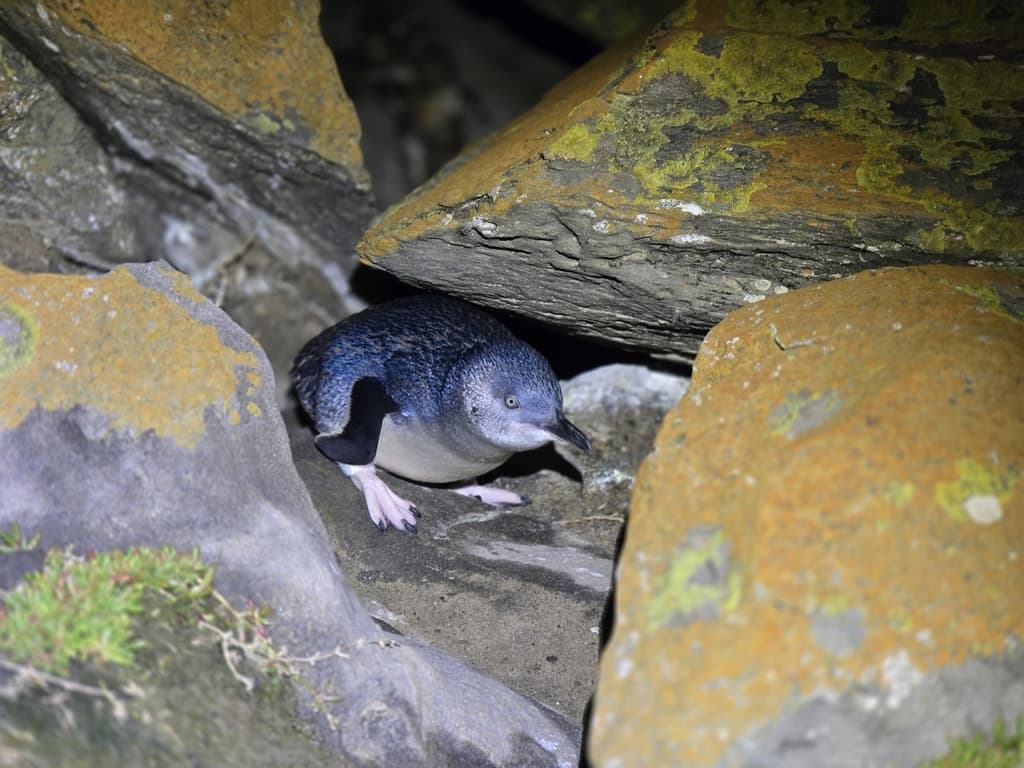
Penguins return to shore every evening year-round, but winter months bring the largest groups as breeding activity peaks and juveniles return from sea. Timing of arrival varies by season and weather - around 30 minutes after sunset is typical.

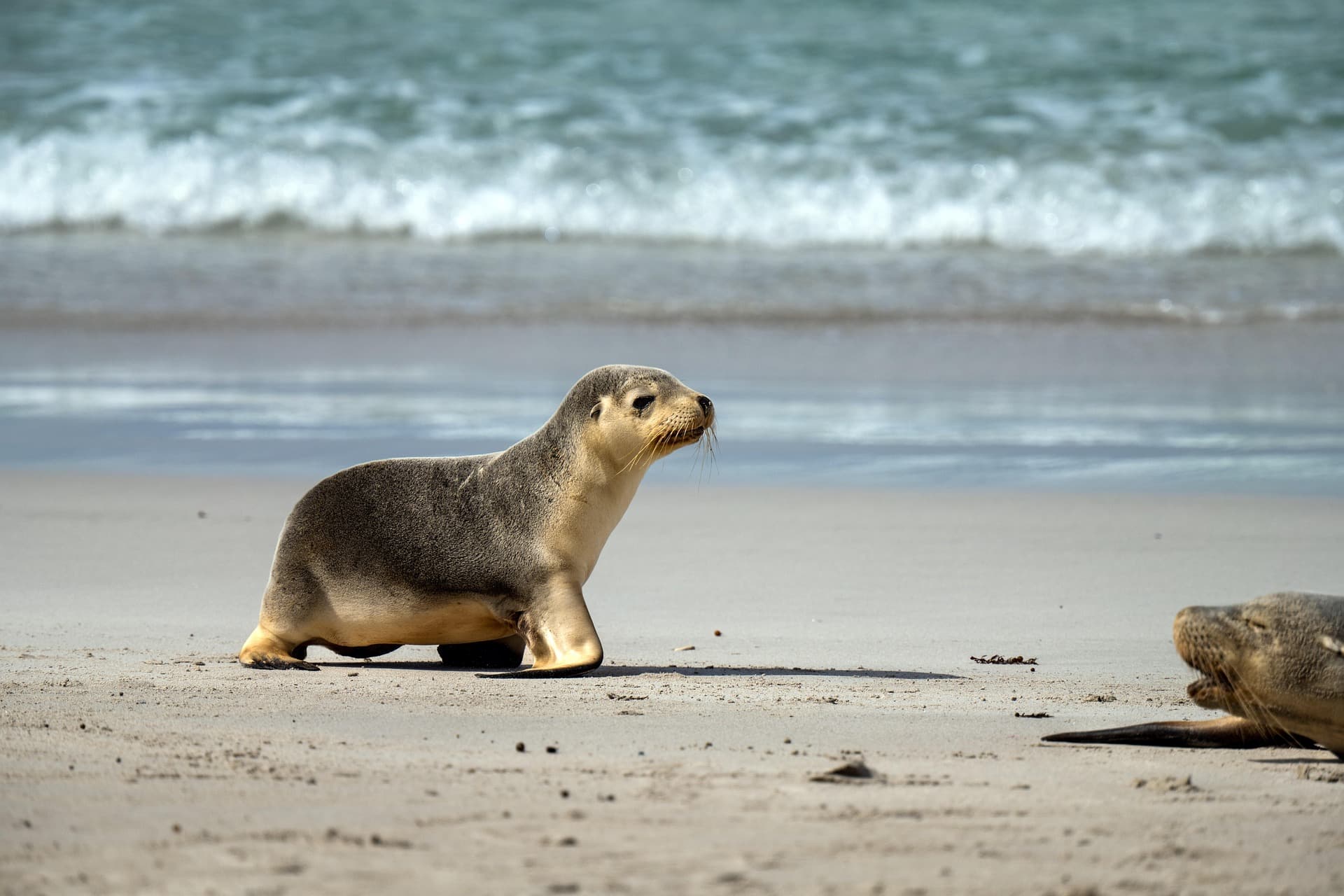
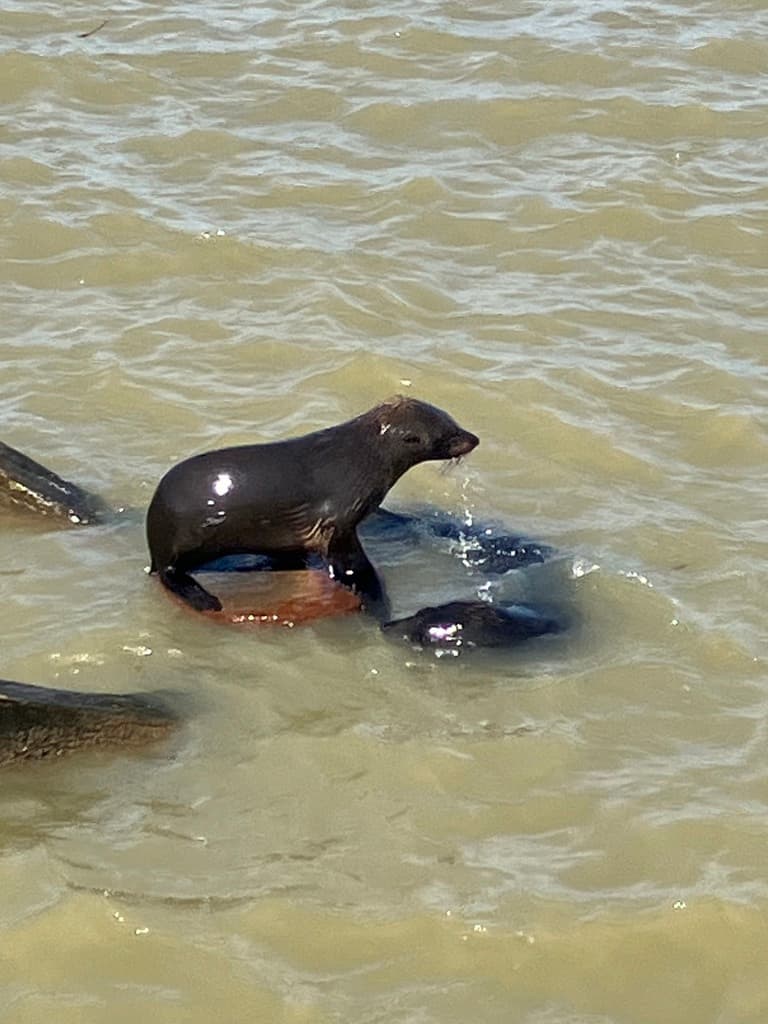
Colony present year-round, but pup numbers peak January to March. Outside pup season, adults are reliably present resting on the beach. Population has declined significantly since the 2019–20 bushfires — numbers are lower than historical levels.

Weekly variation in whale numbers. Peak sightings typically mid-August. Annual counts vary - some years bring exceptional numbers, others fewer. Mothers with calves tend to arrive later in the season.

Cloud cover and moon phase are the key variables. New moon periods offer the darkest skies — plan around the lunar calendar. Light pollution from Adelaide and regional towns significantly degrades the experience; the further inland, the better.

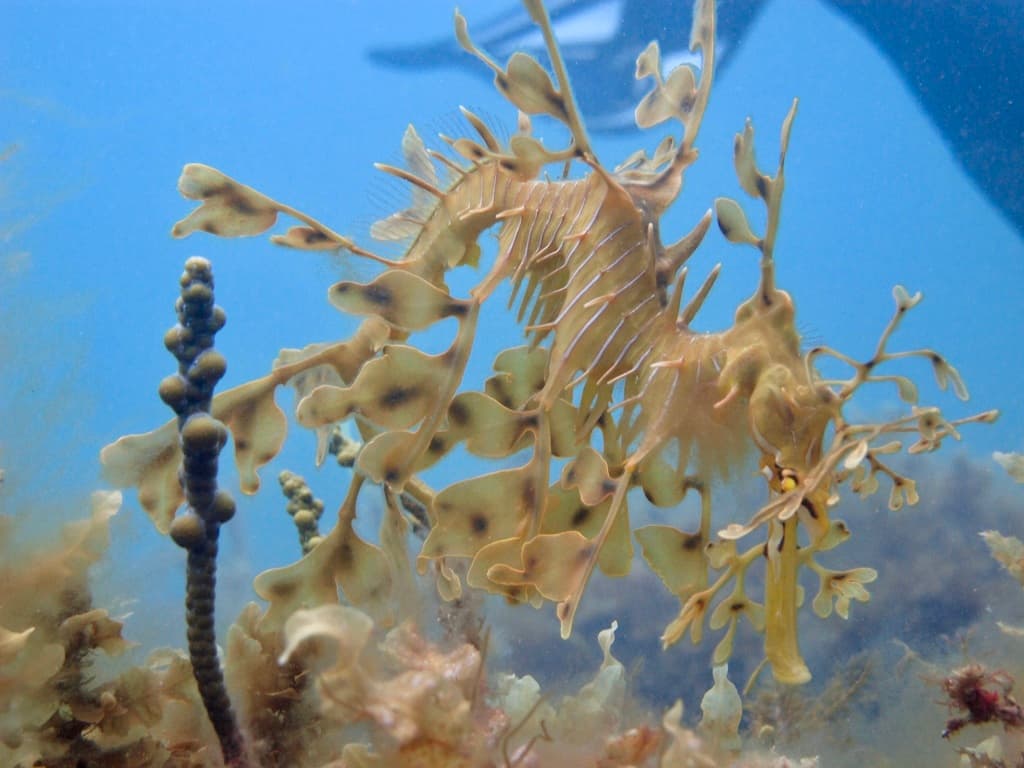
Visibility and sightings are best in calm conditions with good underwater visibility. Edithburgh tidal pool and the jetties at Marion Bay and Stenhouse Bay are the most reliable sites. Leafy seadragons are masters of camouflage - guides significantly improve encounter rates for first-time visitors. Apr–Oct provides general viewing, Oct–Feb is the breeding season, offering the additional spectacle of egg-carrying males.

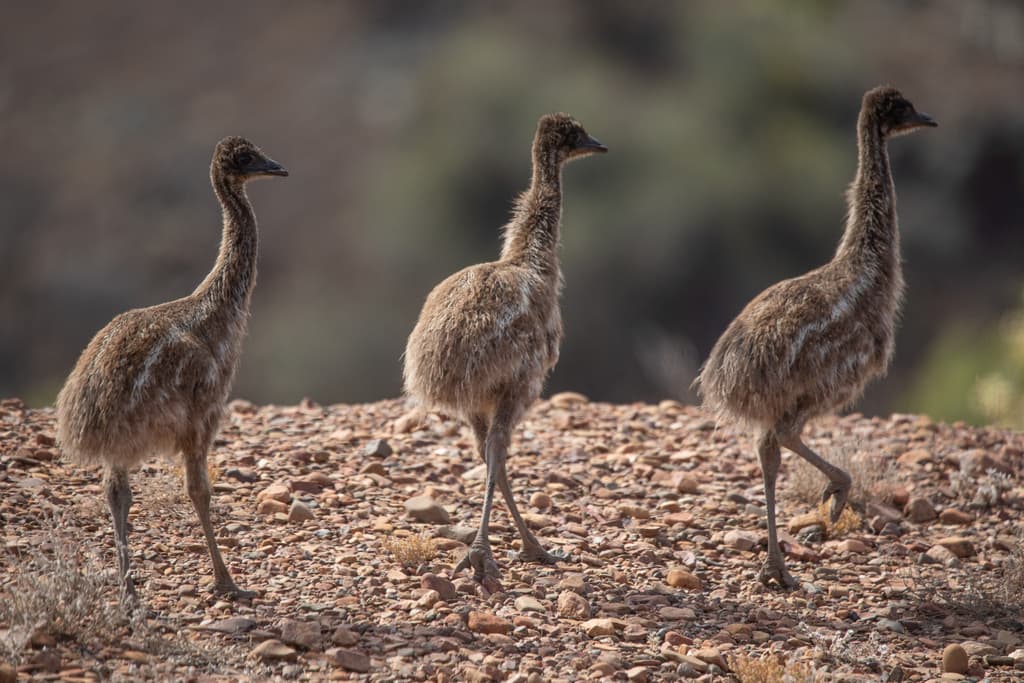
Do not approach emu families — adult emus with chicks can be aggressive. Observe from vehicles where possible. Emus frequently cross roads with no warning — drive carefully on outback roads.

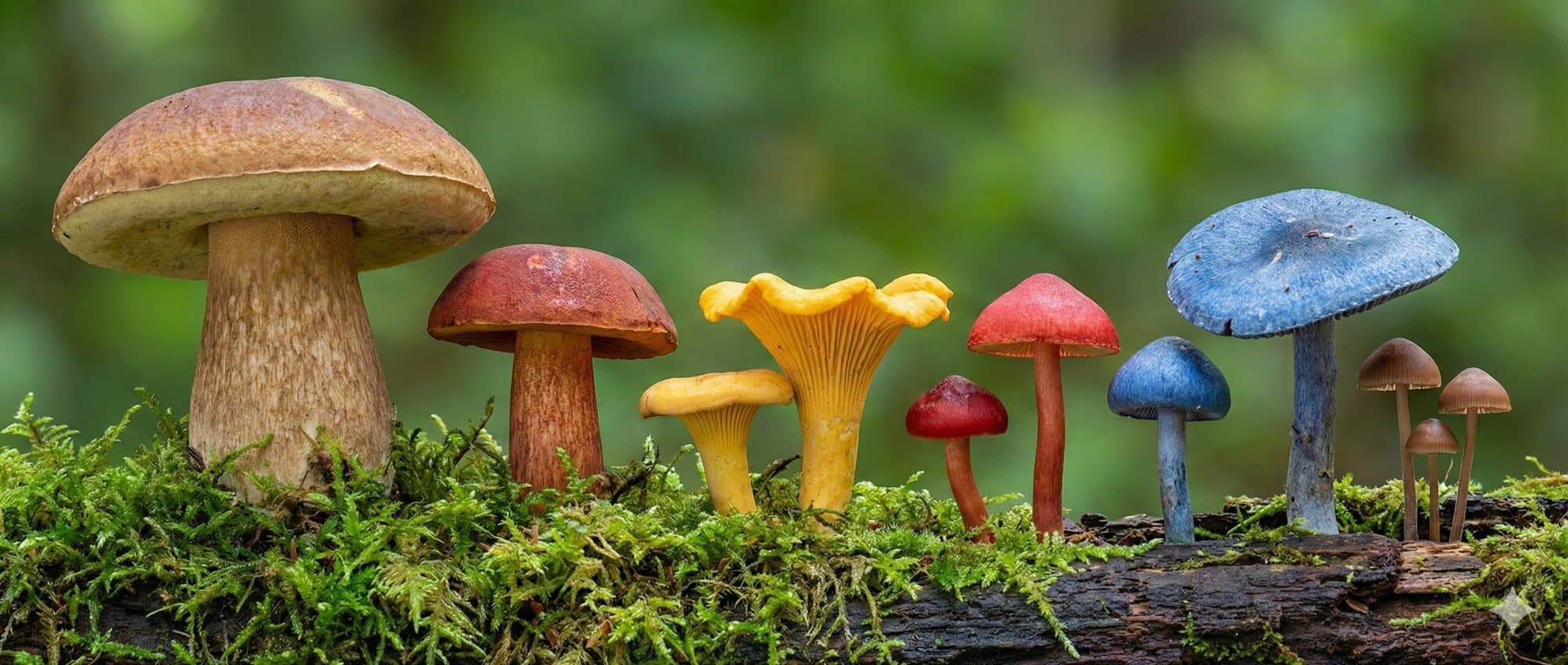
Do not consume any wild fungi without expert identification by a qualified mycologist. Several deadly species including the death cap (Amanita phalloides) occur in SA. Even experienced foragers make fatal mistakes. Fungi walks with a qualified guide are strongly recommended for anyone interested in edible species.
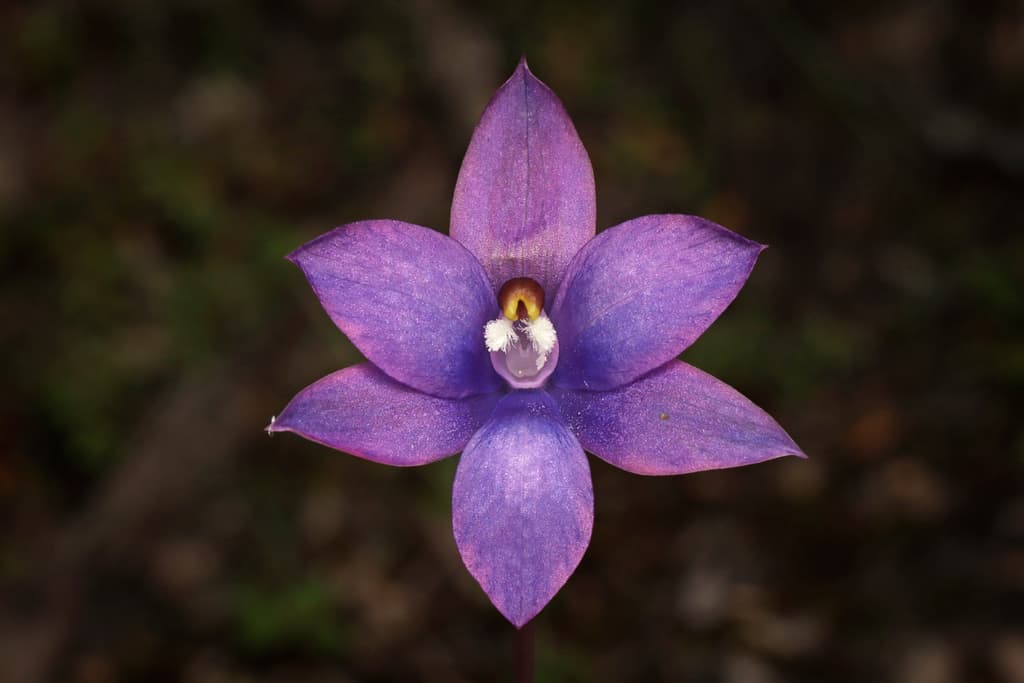
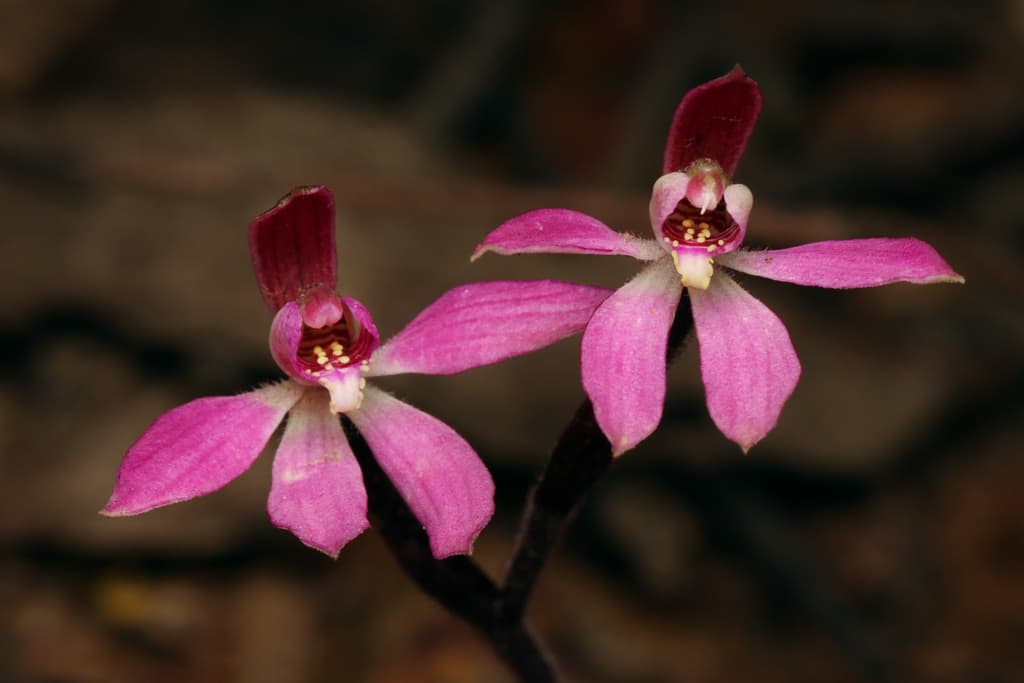
Generally reliable with winter rainfall. September is consistently the best month. The coastal heathlands of the southern tip (particularly around Stenhouse Bay and Ethel Beach) are the most floriferous areas. Can be combined with a leafy seadragon dive.

Lincoln NP roads can be sandy and require care. Carry water and sun protection. Mobile coverage is patchy on the southern Eyre Peninsula.

Stay on tracks - heathland understorey can be dense and disorienting. Carry water. Tick awareness required in dense vegetation.
Rainfall-influenced but generally reliable. Flinders Chase NP in the island's west and the mallee heathlands of Kelly Hill are typically the most productive areas. The 2019–20 fires regenerated much heathland and wildflower diversity has increased in affected areas.
Breeding success is strongly linked to river flow. High-flow years following good Queensland and NSW rains stimulate significant breeding events. In low-flow years, colonial breeding is greatly reduced or absent. Monitor the Murray-Darling Basin Authority flow forecasts.

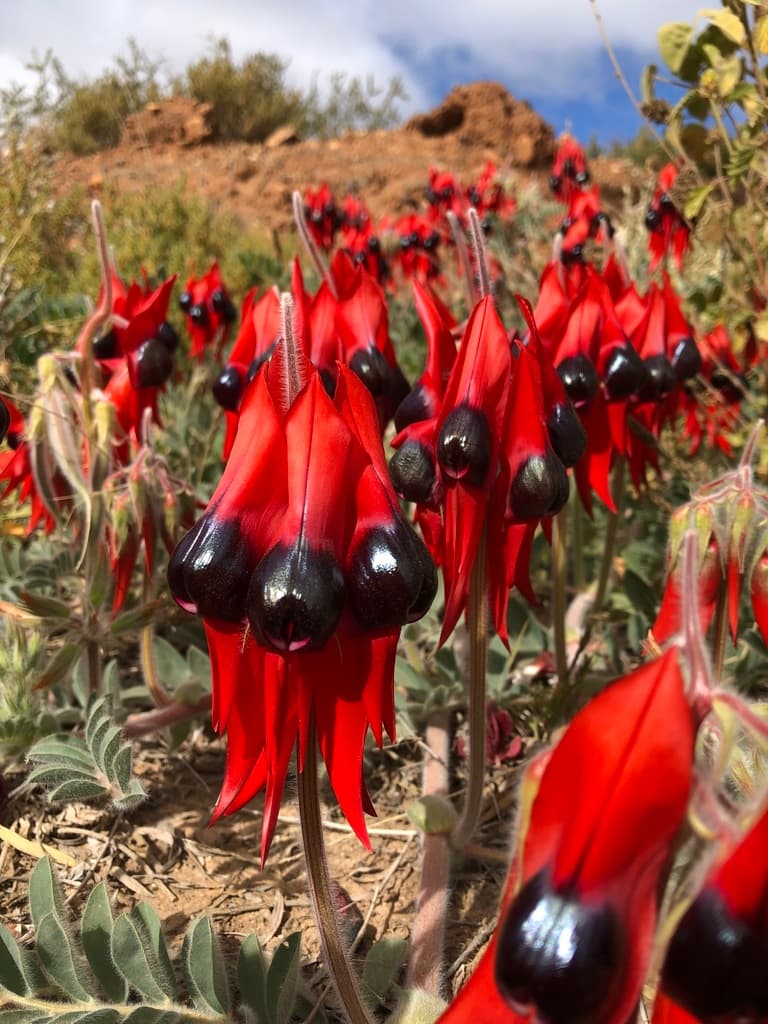
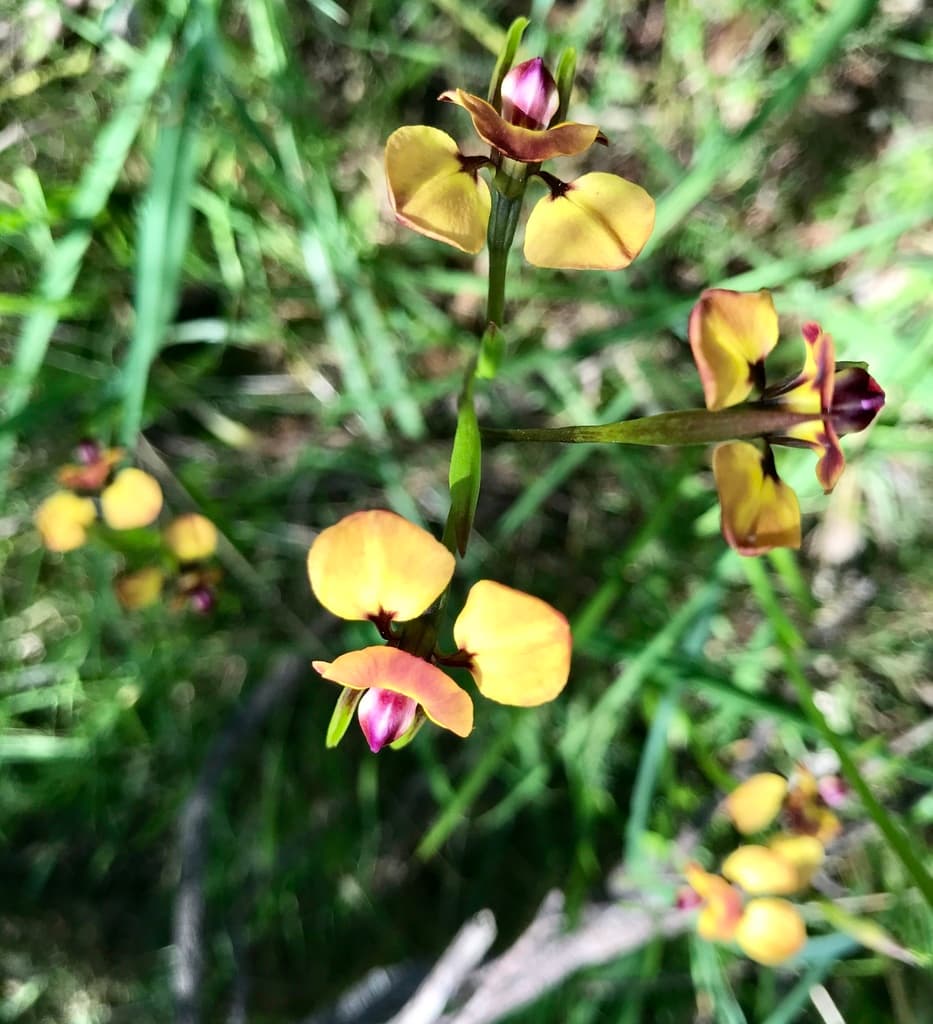
Highly rainfall-dependent. A wet winter (June–July) followed by a warm September produces the best displays. Dry years can result in sparse or near-absent blooms. Check rainfall data for the Flinders region before travelling. The Bureau of Meteorology's recent rainfall maps are the best guide.
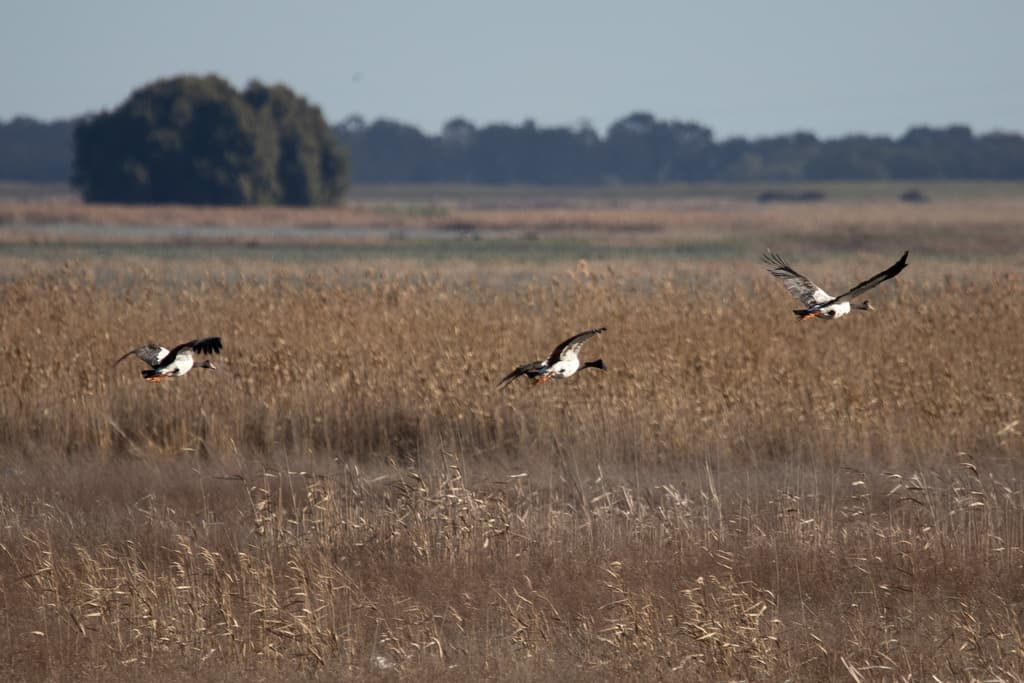
Access to some areas requires care around industrial saltfields. Observe from access roads and roadsides - do not walk onto saltfield infrastructure. Mosquitoes and sandflies are present at wetland edges.

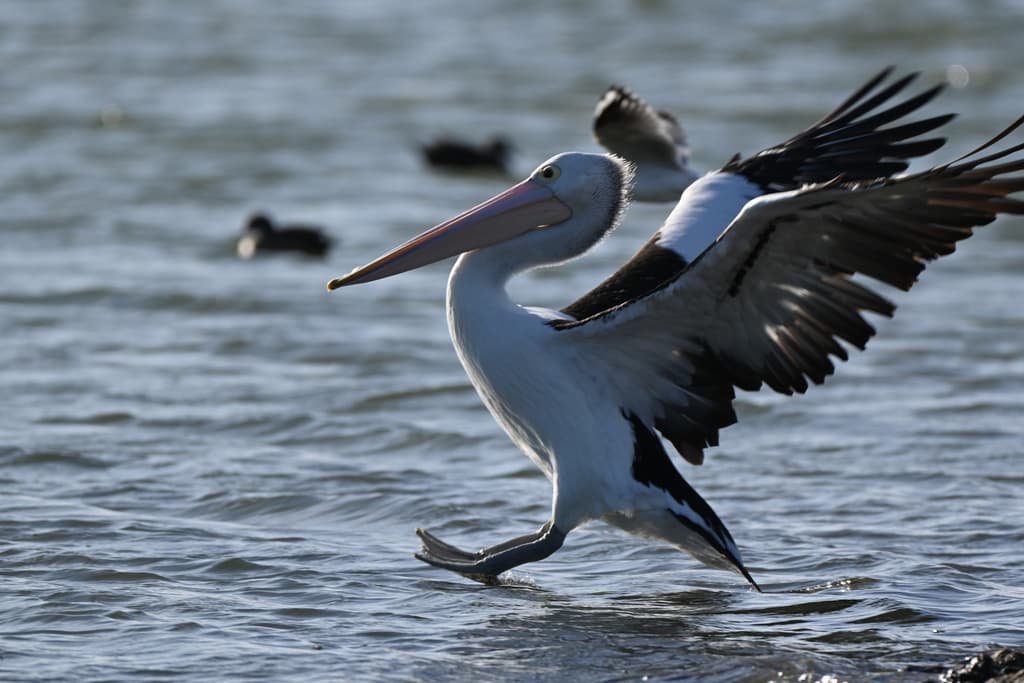
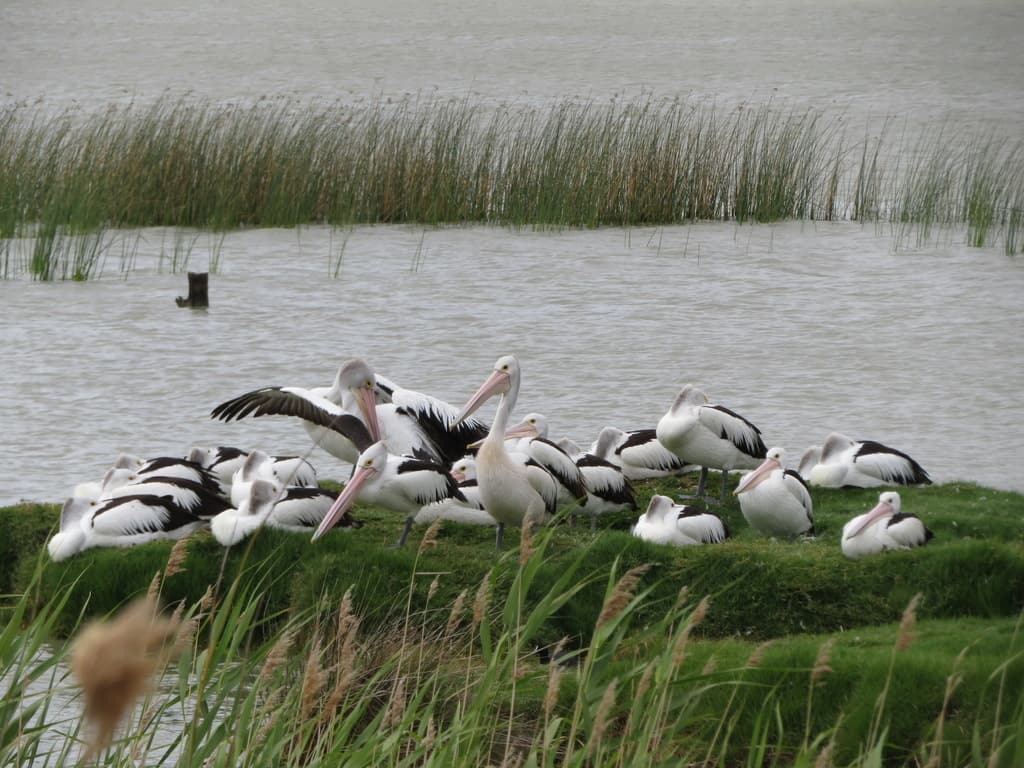
Waterbird numbers reflect water quality and salinity levels in the Coorong lagoons, which have declined significantly in recent decades due to reduced Murray flows. Numbers are generally higher following years with good river flows. Pelican Island breeding is annual but variable in scale.

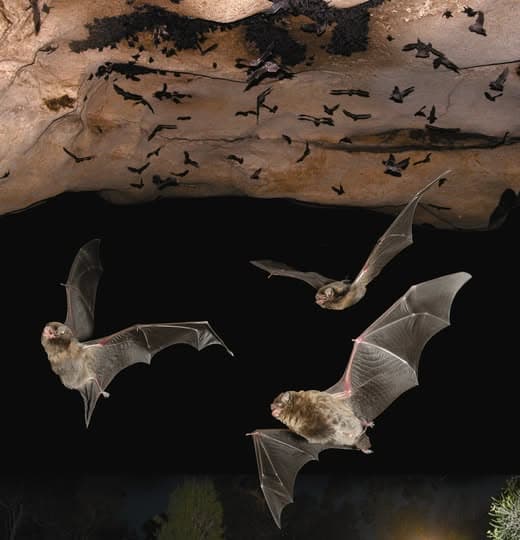
The maternity colony of southern bent-wing bats (critically endangered) is present each spring and summer. Peak numbers are in November–January when the colony is at full size and evening roost emergences are most spectacular. The colony size varies year to year based on insect availability.

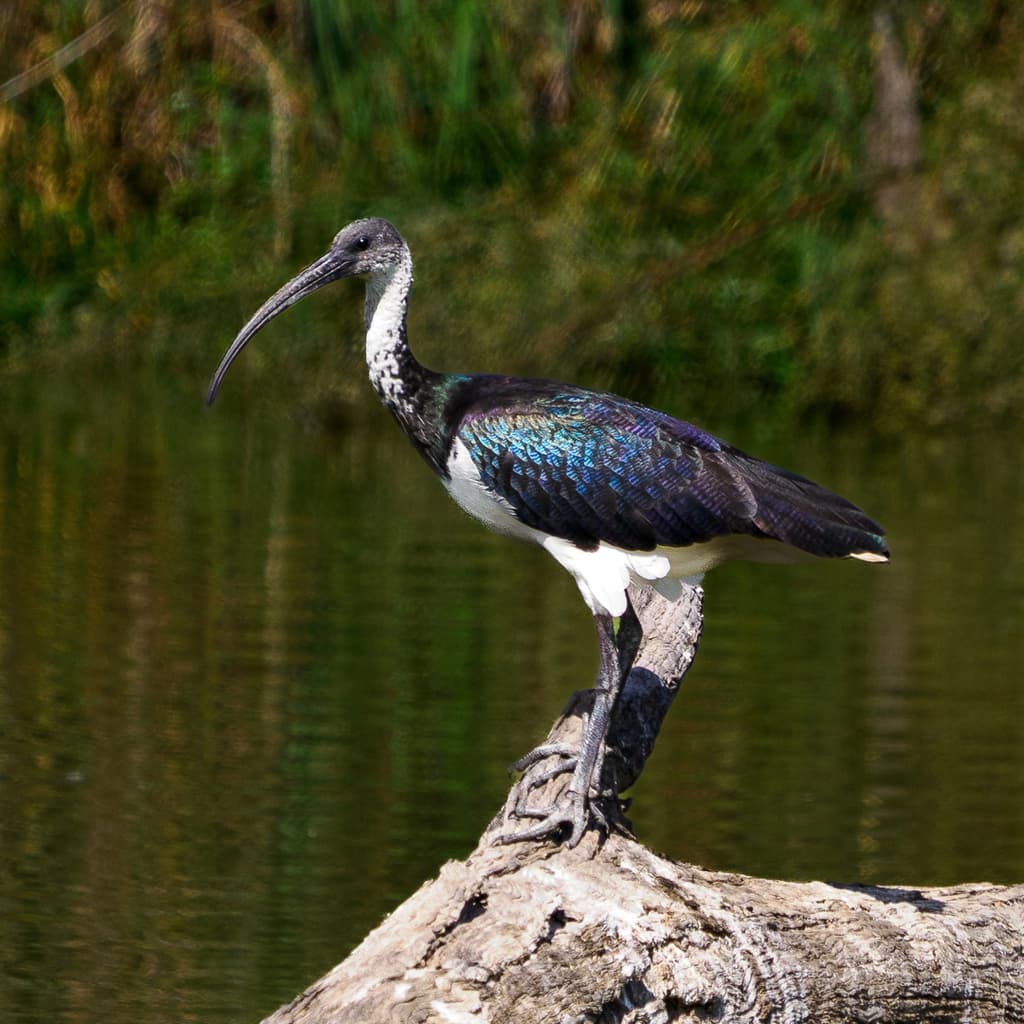
Use hides - approaching mudflats on foot flushes birds and is counterproductive. Scope or binoculars essential for identification. Early morning visits produce the best light and bird activity.

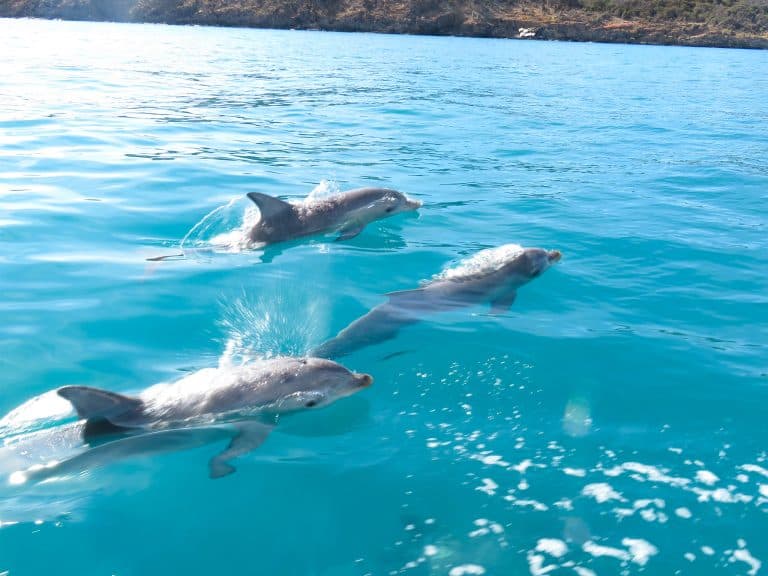
Commercial swim-with tours are licensed and follow strict approach protocols. Do not attempt to approach dolphins in personal watercraft — this is illegal and disruptive to foraging and resting behaviour.

Maintain distance from nesting colonies - human disturbance causes nest abandonment and chick mortality. Use binoculars or a telephoto lens. Do not approach on foot. Keep dogs away from nesting areas.

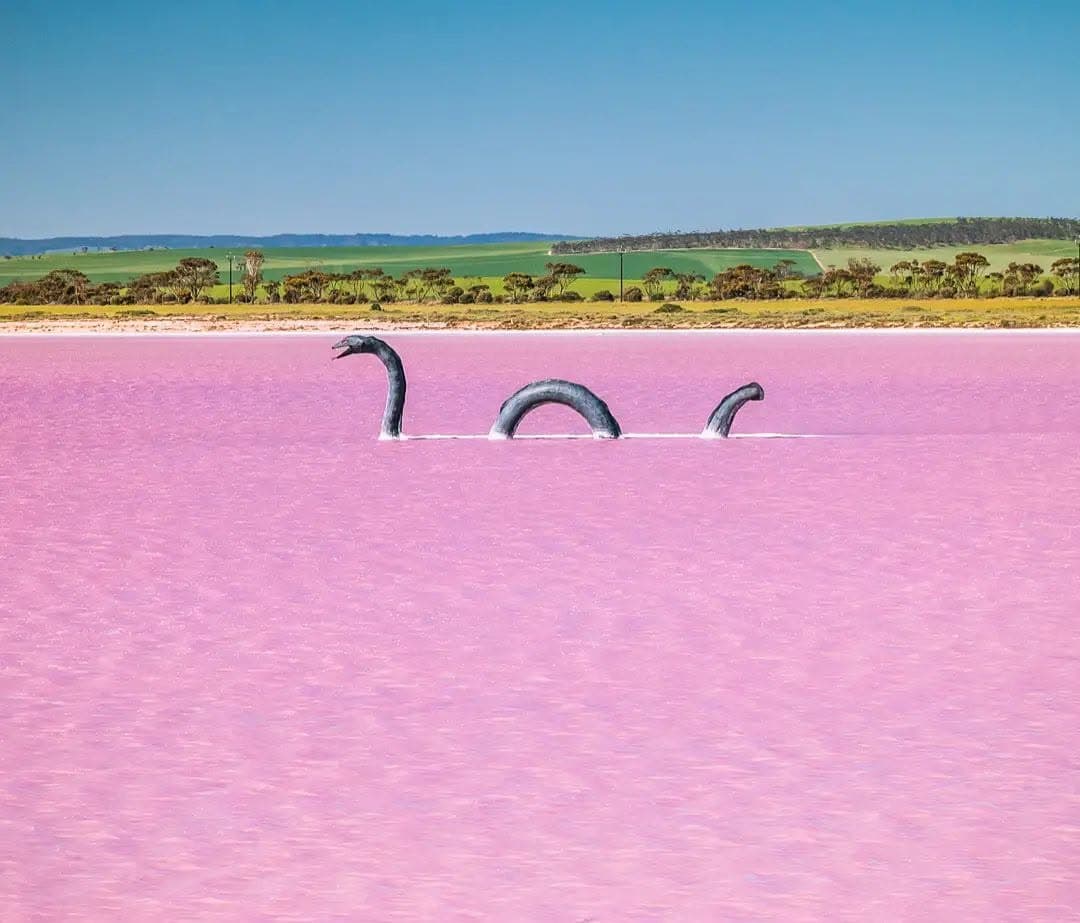
The pink colour is produced by algae (Dunaliella salina) and halophilic bacteria active in hot, hypersaline conditions. Best colour occurs in summer after low rainfall. Wet years or high water dilute the salinity and reduce or eliminate the pink colour entirely. Colour intensity varies day to day. Check recent visitor photos before travelling.