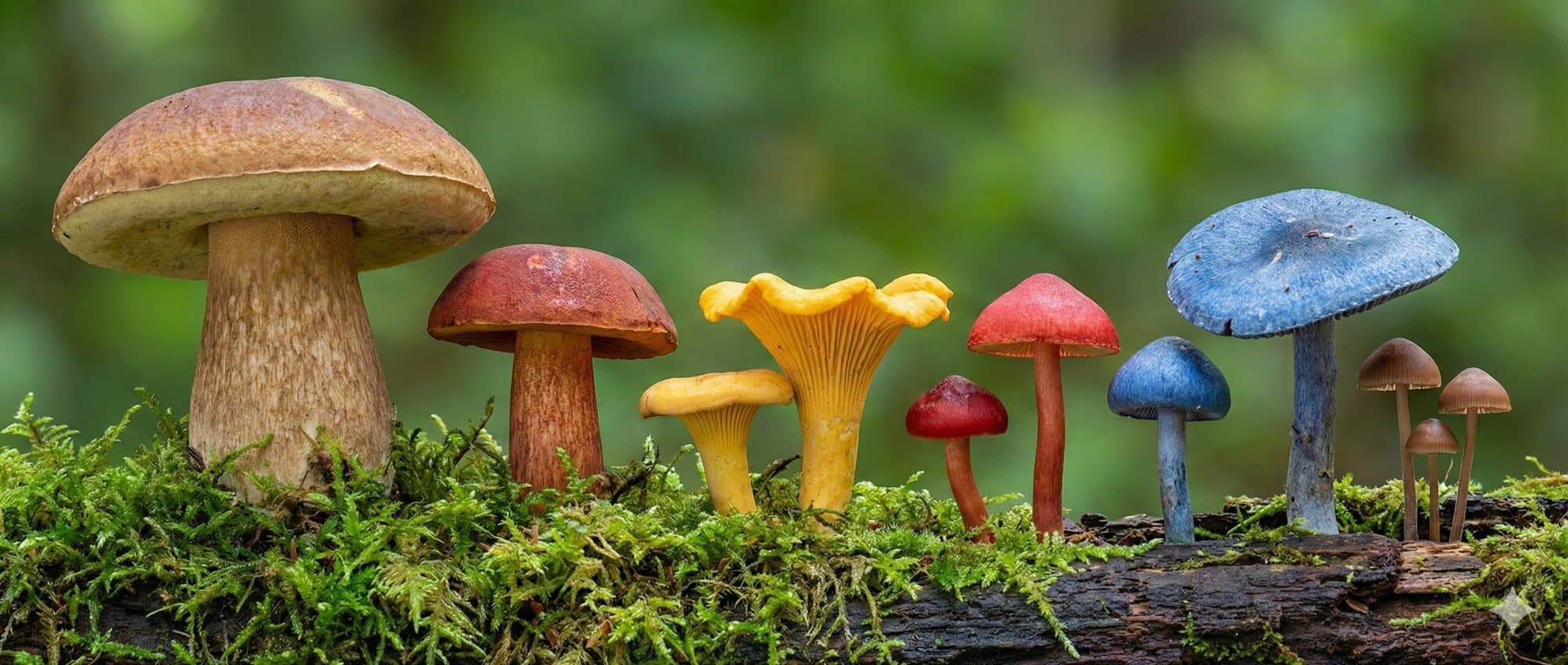
Autumn Fungi Season
low
April - July
SA
The Limestone Coast's pine plantations and native bushland come alive with fungi in the weeks following autumn rains - from brilliant saffron milk caps and stately slippery jacks to vivid fly agaric and delicate native species yet to be formally described. The diversity here rivals anywhere in temperate Australia, and the sculptural beauty of SA fungi rewards photography as much as identification. Foragers should only harvest with an experienced guide or after formal training through a mycology society - misidentification is potentially fatal. The South Australian Naturalists Society and local natural history groups run occasional guided walks, which are the recommended way to engage with this season safely.
What affects timing
Best 1–3 weeks after significant rainfall. Pine plantations near Millicent and Mount Gambier and native bush in Bool Lagoon reserves are productive sites. Cold, damp conditions after autumn rains are the key trigger.
Do not consume any wild fungi without expert identification by a qualified mycologist. Several deadly species including the death cap (Amanita phalloides) occur in SA. Even experienced foragers make fatal mistakes. Fungi walks with a qualified guide are strongly recommended for anyone interested in edible species.
Limestone Coast
Interactive map coming soon