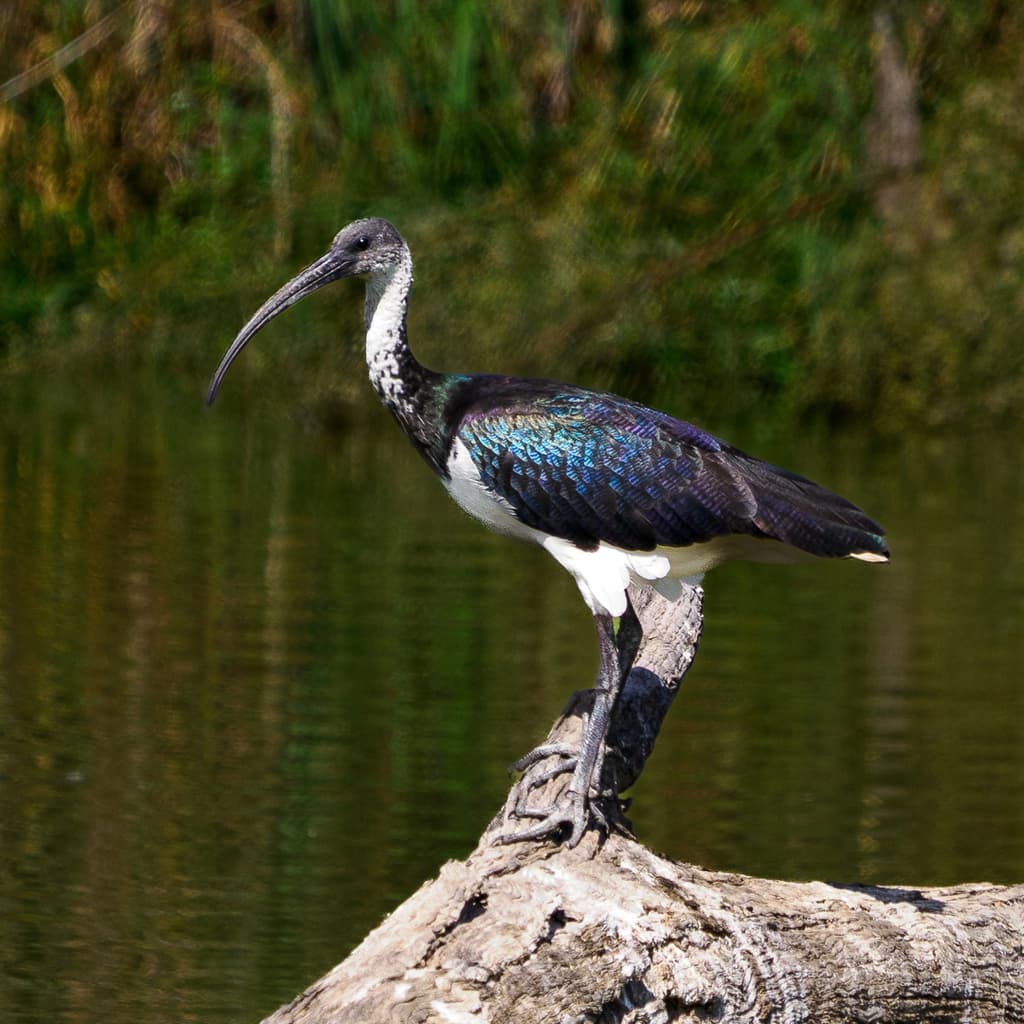
Straw-necked Ibis Breeding Colony
low
Variable
SA
When wetland conditions are right (typically following significant flooding) straw-necked ibis can form vast breeding colonies in SA's Murraylands and Riverlands, with thousands of pairs nesting simultaneously in flooded lignum and samphire. These striking birds, with their vivid metallic-blue plumage and straw-coloured neck bristles, are among the most beautiful of Australia's colonial waterbirds. A large colony in full breeding activity - birds arriving and departing continuously, chicks calling from nests, adults performing greeting ceremonies - is one of the most overwhelming wildlife spectacles SA can produce. Because timing is entirely flood-dependent, planning a visit requires close monitoring of wetland conditions and birdwatching network reports.
Variable: colonies form at different wetlands depending on water conditions. Lake Merreti (Riverland) and wetlands near Loxton and Berri have hosted large colonies. Monitor 'Birds SA' networks for current active colony locations before travelling. Boat access via public ramps at Berri, Loxton, or Renmark is typically required for the best viewing.
What affects timing
Like pelican breeding, straw-necked ibis colonies form opportunistically following significant flooding events. Wetlands in the Riverland and Murraylands, including Lake Merreti and Bool Lagoon, have hosted major colonies in high-water years.
Approach nesting colonies only by boat and from a distance. Nest abandonment is a real risk with any ground-level disturbance. Monitor reports from SA birdwatching networks before planning a visit.
Riverland & Murraylands
Interactive map coming soon