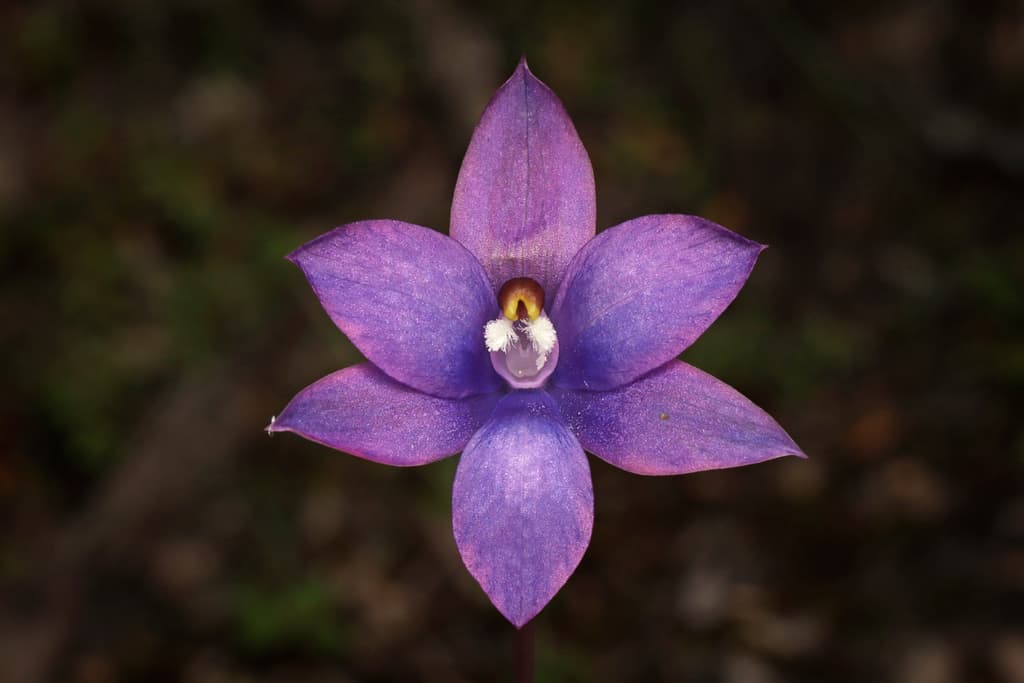
Limestone Coast Heathland Wildflowers
high
September - October
SA
The Limestone Coast's heathlands and mallee scrub produce a diverse spring wildflower season that is largely unknown to visitors focused on the region's wine tourism. Native orchids, including spider orchids, sun orchids, and the elegant greenhoods, are the standout attraction for botanical visitors. Tea-trees, hakeas, and banksias provide structure and colour, while trigger plants carpet the ground in shades of pink and white. This is a specialist's season — the diversity rewards those who take the time to look closely rather than those seeking broad spectacle. Combine with the autumn fungi season for a year-round botanical reason to visit the Limestone Coast.
Mount Burr Range Conservation Park (Mt Burr summit area, 30 km east of Millicent) offers mallee heath. The Upper South East Conservation Parks (Piccaninnie Ponds, Bool Lagoon fringes) are accessible via unsealed side roads. Coorong National Park: Skirting past the Coorong lagoons, the coastal walking trails and the Stringybark Loop meander through intact mallee and heath, bursting with colour in spring. Canunda National Park: Famous for its dramatic limestone cliffs and wind-sculpted coastal dunes. The Cape Buffon Walking Trail is a prime spot to see colourful coastal blooms. Honan Native Forest Reserve: Located slightly inland near Mount Gambier, this reserve is specifically home to the Wildflower Trail, where heathy woodlands and ephemeral wetlands produce abundant floral displays during the warmer months
What affects timing
Generally reliable in well-managed heathland reserves. Mount Burr Range, Bool Lagoon fringes, and the mallee scrub in the Upper South East are the best areas. Autumn rains improve spring displays. Some areas are heavily degraded by agriculture — focus on national parks and conservation reserves.
Stay on tracks - heathland understorey can be dense and disorienting. Carry water. Tick awareness required in dense vegetation.
Limestone Coast
Interactive map coming soon