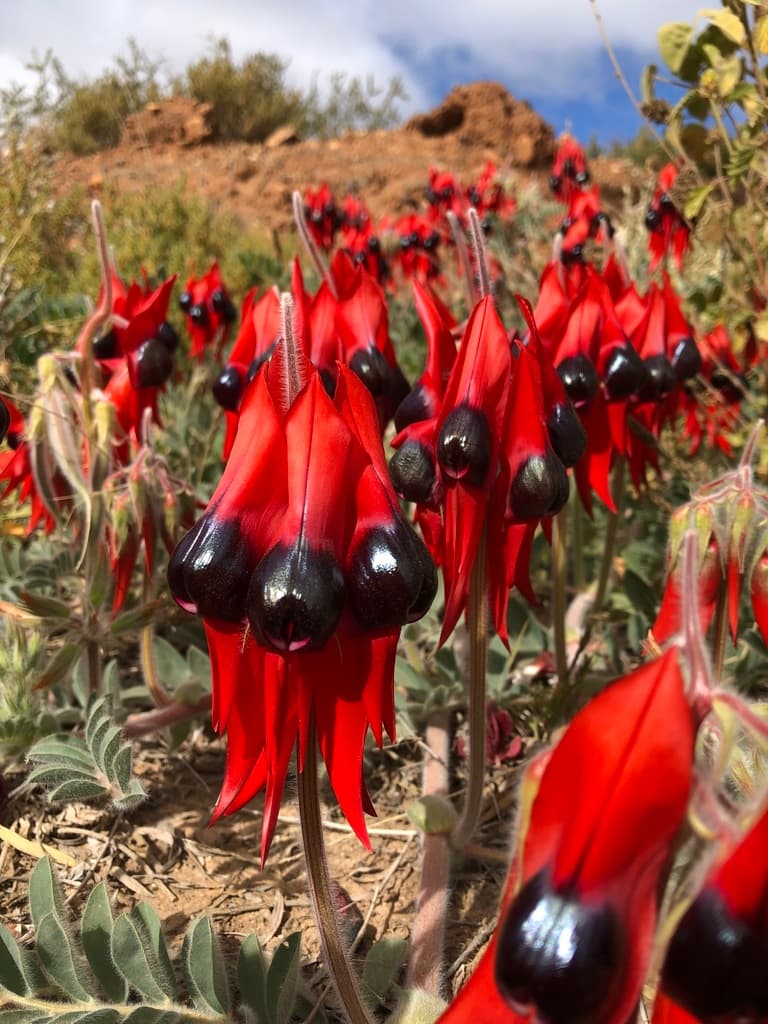
Flinders Ranges Wildflower Bloom
medium
August - October
SA
After good winter rains, the Flinders Ranges transform into one of Australia's most dramatic wildflower landscapes - carpets of native daisies, pea flowers, and the highly invasive Salvation Jane cover hillsides and creek beds from Hawker to Wilpena Pound. Iconic species include Sturt's desert pea, Flinders Ranges wattle, and numerous native orchids. The event is inseparable from the landscape itself: red gorges, ancient cycads, and yellow acacias create a visual spectacle even when blooms are modest. This is also peak season for birdwatching in the region, with raptors, parrots, and honeyeaters abundant. The unpredictability is part of the character — a great year is genuinely unforgettable.
What affects timing
Highly rainfall-dependent. A wet winter (June–July) followed by a warm September produces the best displays. Dry years can result in sparse or near-absent blooms. Check rainfall data for the Flinders region before travelling. The Bureau of Meteorology's recent rainfall maps are the best guide.
Carry water and sun protection. Mobile coverage is limited in the Flinders Ranges. Inform someone of your travel route. Unsealed roads may be impassable after heavy rain.
Flinders & Outback
Interactive map coming soon