River Red Gum Flowering
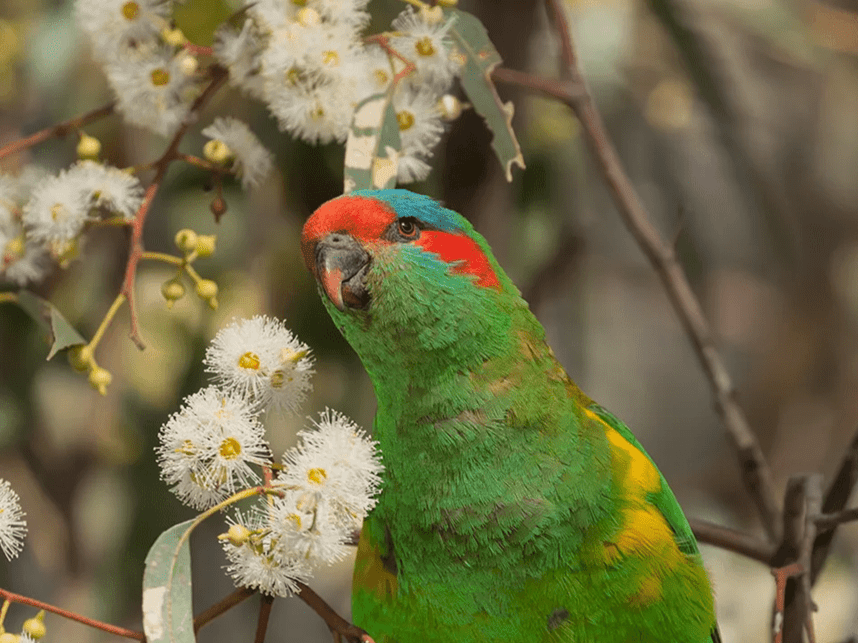
Flowering gum trees attract bees in large numbers - those with bee allergies should carry appropriate medication. Falling branches from mature red gums can occur without warning; do not camp or sit directly under large trees.
Explore seasonal nature experiences with confidence ratings to help you plan the perfect adventure
Get seasonal nature events — wildflower blooms, whale migrations, dark-sky nights — in your inbox before they peak.
No spam. Unsubscribe anytime.
Showing 8 of 8 events (filtered)

Flowering gum trees attract bees in large numbers - those with bee allergies should carry appropriate medication. Falling branches from mature red gums can occur without warning; do not camp or sit directly under large trees.

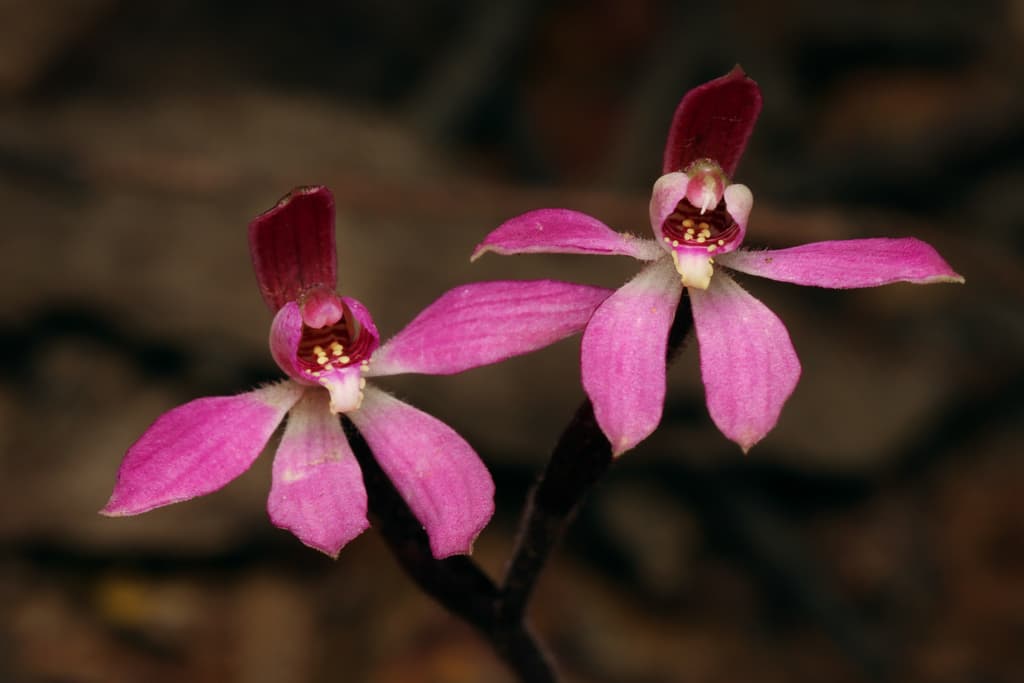
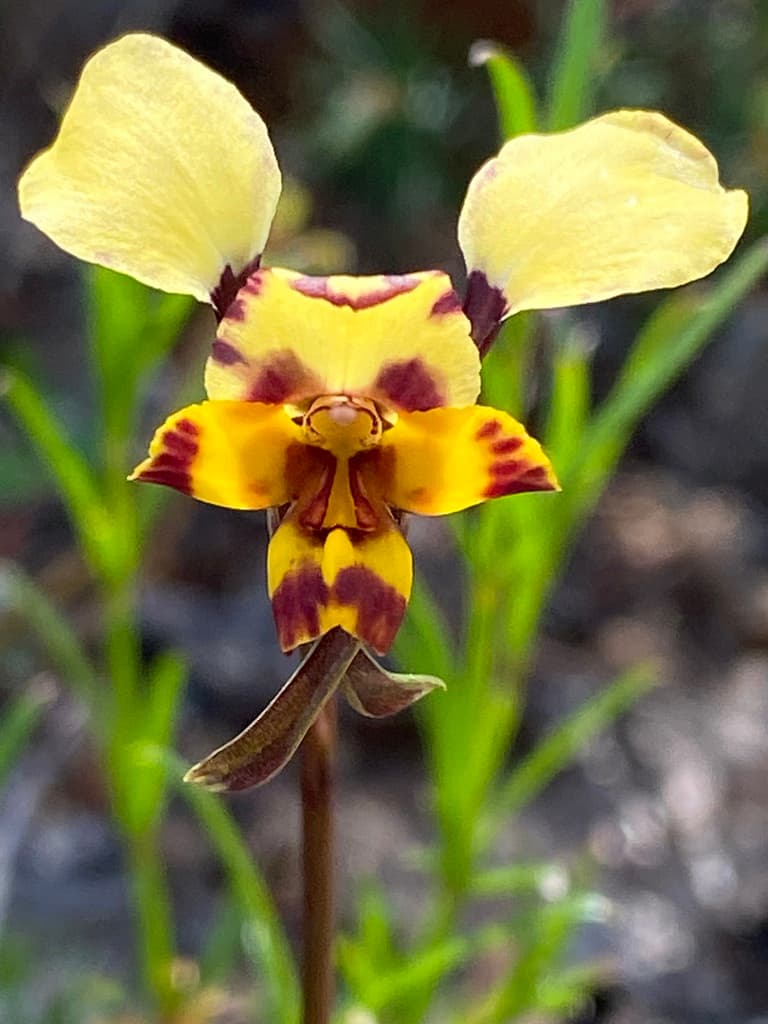
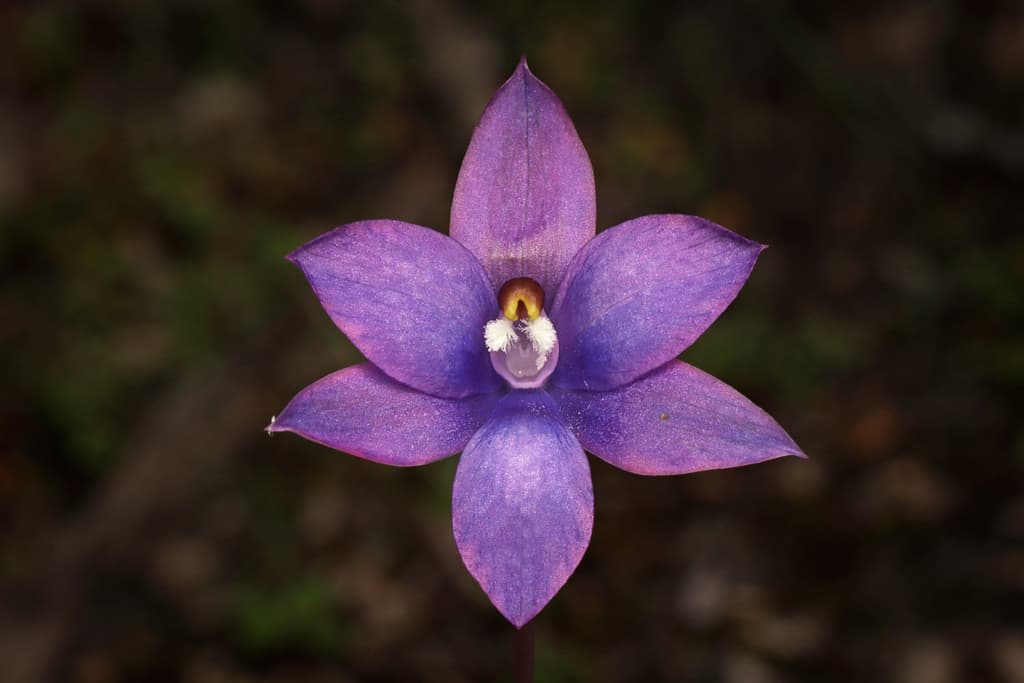
Do not pick or dig up orchids - all native orchids are protected under SA law. Stay on tracks to avoid trampling small ground orchids. Some sites are sensitive — seek specialist guidance for the rarest species.

Generally reliable annually in well-preserved heathlands. Deep Creek National Park, Newland Head Conservation Park, and the Hindmarsh Valley road reserves are consistently productive. August rains followed by warmth produce the best displays.
Generally reliable with winter rainfall. September is consistently the best month. The coastal heathlands of the southern tip (particularly around Stenhouse Bay and Ethel Beach) are the most floriferous areas. Can be combined with a leafy seadragon dive.

Lincoln NP roads can be sandy and require care. Carry water and sun protection. Mobile coverage is patchy on the southern Eyre Peninsula.

Stay on tracks - heathland understorey can be dense and disorienting. Carry water. Tick awareness required in dense vegetation.
Rainfall-influenced but generally reliable. Flinders Chase NP in the island's west and the mallee heathlands of Kelly Hill are typically the most productive areas. The 2019–20 fires regenerated much heathland and wildflower diversity has increased in affected areas.

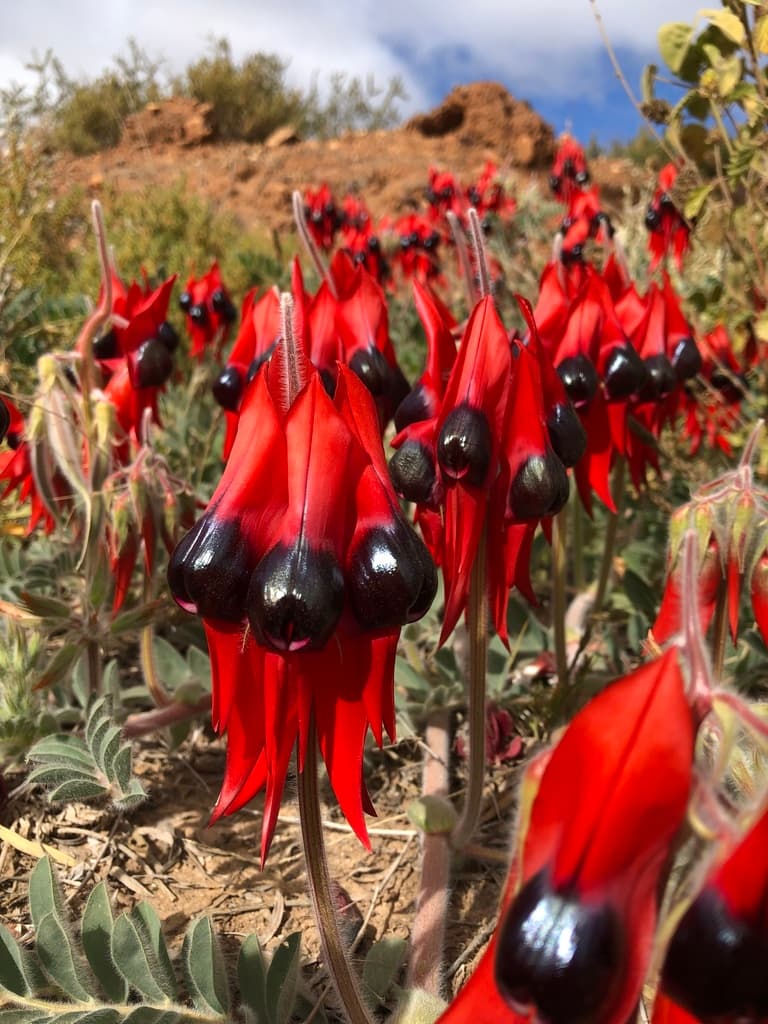
Highly rainfall-dependent. A wet winter (June–July) followed by a warm September produces the best displays. Dry years can result in sparse or near-absent blooms. Check rainfall data for the Flinders region before travelling. The Bureau of Meteorology's recent rainfall maps are the best guide.